Best Time to Take Magnesium for Anxiety and Sleep: 7 Science -Backed Tips That Actually Work
Magnesium is your body’s natural cherry pill – – It quotes anxious thoughts, Easy’s tension and sets the stage for deep distortive sleep. But here is the catch: when you take it matters just as much as what you take. if you have ever wondered about the best time to take magnesium for anxiety and sleep, you are not alone. Let’s unpack what size says about timing your dose to maximize calm and improve sleep, naturally.
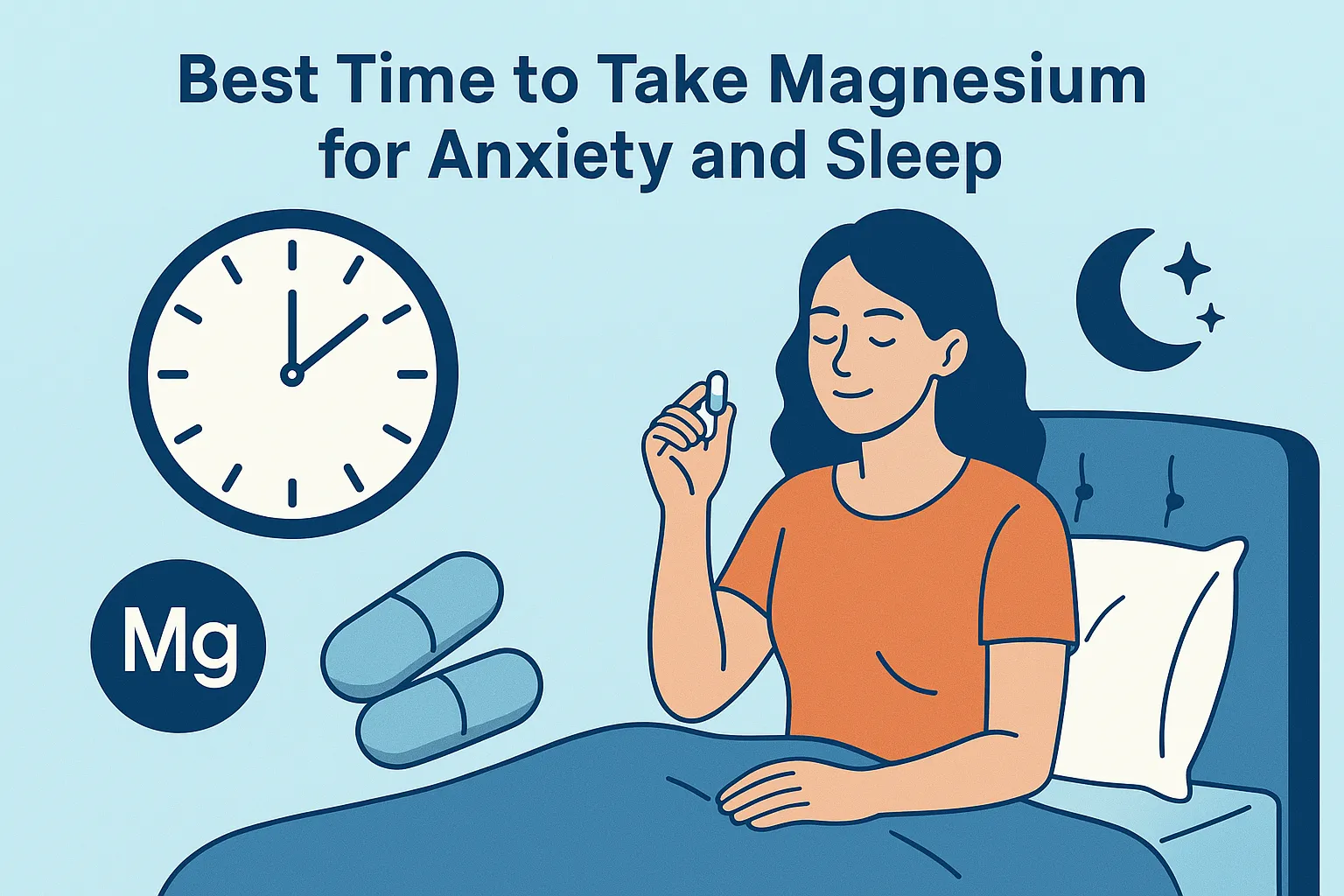
1. Why Your Magnesium Timing Affects Sleep and Anxiety
Magnesium tames anxiety and prepares your brain for sleep by boosting GABA (your brain’s “calm-down” chemical) and dialing back stress hormones. But here’s the twist: Your body uses magnesium differently depending on when you take it.
Science says: Evening doses work best for sleep. A 2022 study in the Journal of Research in Medical Sciences found magnesium significantly improved insomnia in older adults when taken at night.
Take it too early? You might miss its relaxing magic when you need it most—at bedtime.
2. The Sweet Spot: Evening = Prime Time for Sleep & Calm
For most of us, the best time to take magnesium for anxiety and sleep is 1–2 hours before bed. This lets magnesium levels peak as you’re unwinding, turning down the noise in your mind.
Try this: Pair your magnesium with a calming ritual—like herbal tea, soft lighting, and ditching screens.
3. Morning Magnesium? Save It for Daytime Stress
While evenings rule for sleep support, a morning dose can help if you battle all-day anxiety or mood slumps. It may:
-
Boost energy metabolism
-
Ease stress-related fatigue
-
Relax tense muscles
But for sleep troubles, stick to nighttime.
4. Match Your Magnesium Type to Your Goals
Not all magnesium is created equal! Choose wisely:
-
Glycinate: Gold standard for anxiety and sleep (gentle, calming)
-
Citrate: Great for digestion—but may keep you up with bathroom trips!
-
Threonate: Targets brain fog + mild stress

Magnesium-rich foods and supplements—your natural remedy for better sleep and calmer nights.
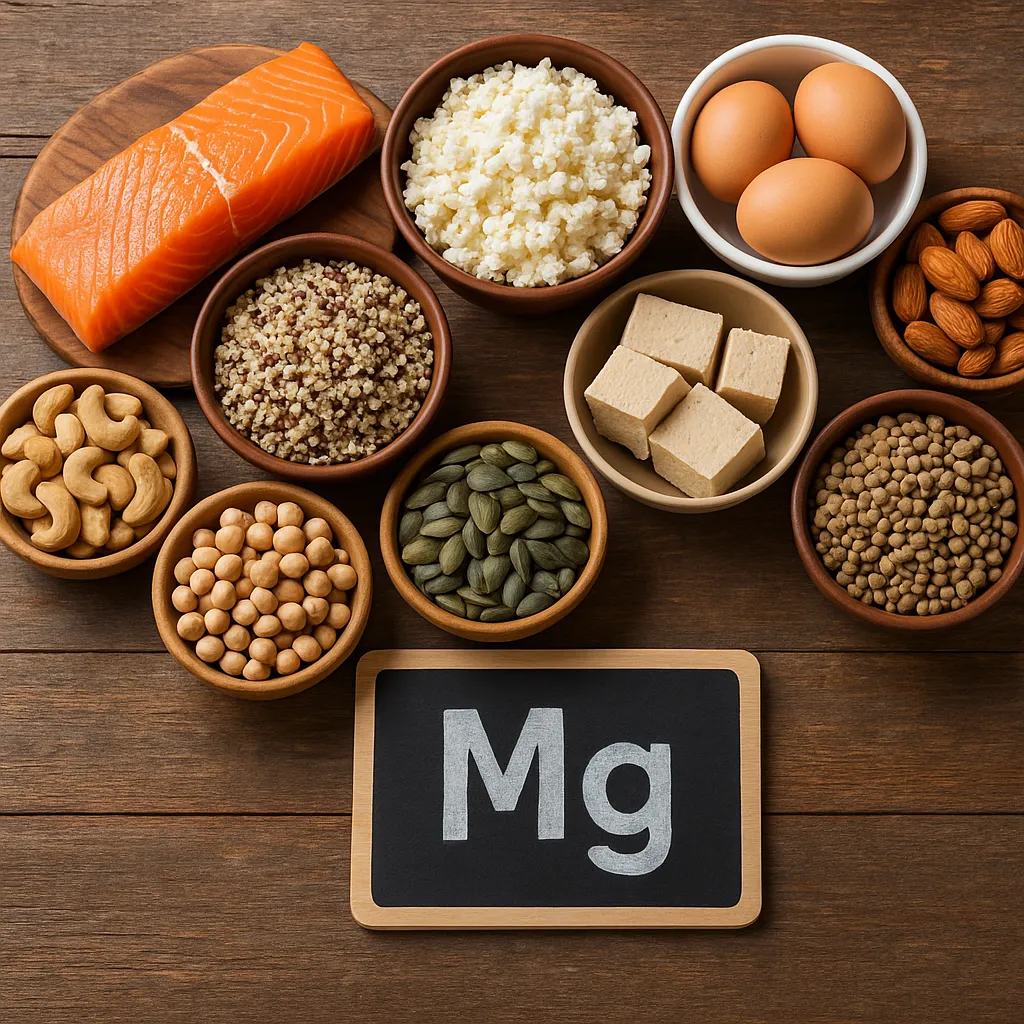
For sleep and anxiety? Glycinate is your ally.
5. Dosage Matters: Find Your Calm Zone
More isn’t better—too much can upset your stomach. Aim for:
-
200–400 mg/day from supplements (split doses if needed)
-
Food boosters: Spinach, almonds, pumpkin seeds (enjoy these by day!)
These recommendations align with the NIH Magnesium Factsheet, which notes most adults need 300-400mg daily for optimal function.
Always chat with your doctor first, especially if you have health concerns.
6. Food + Supplements = A Winning Combo
Snack on magnesium-rich foods (avocados, black beans, cashews) by day. They keep your levels steady and help nighttime supplements work better!
7. Consistency Is Your Secret Weapon
Magnesium isn’t a quick fix—it builds up slowly. Taking it consistently at the same time daily (especially evenings!) trains your body to unwind deeply.
Research shows regular use improves sleep and eases anxiety within weeks. The Sleep Foundation emphasizes that regular magnesium supplementation for 4-6 weeks yields the most significant sleep improvements.
FAQ’s
1. Can I take magnesium on an empty stomach at night?
Yes, magnesium can be taken on an empty stomach, but some people experience mild stomach upset. To minimize this, take it with a light evening snack such as a banana or a handful of nuts.
2. How long before bed should I take magnesium?
For optimal absorption and calming effects, take magnesium 1–2 hours before bedtime. This gives your body time to absorb and circulate it before sleep onset.
3. Can I take magnesium with melatonin or other sleep aids?
Yes. Magnesium works synergistically with melatonin. In fact, some supplements combine them for enhanced sleep support. However, consult a healthcare provider if combining multiple supplements.
4. What if magnesium makes me feel groggy in the morning?
This may be due to too high a dose or the wrong form (e.g., magnesium oxide). Reduce your dose or switch to magnesium glycinate, which is gentler and more calming without lingering sedative effects.
5. Does magnesium help with nighttime anxiety attacks?
Magnesium may help reduce nighttime anxiety by calming your nervous system. Studies show that low magnesium levels are associated with heightened stress reactivity, which can trigger nighttime panic.
Research in PMC confirms magnesium deficiency disrupts stress-response pathways, potentially triggering nighttime anxiety.