
Selenium Benefits for Male Fertility and Testosterone Levels
Selenium benefits for male fertility and testosterone levels are becoming increasingly recognized in reproductive health research. This essential trace mineral may not get much attention in mainstream conversations, but it plays a critical role in sperm production, motility, and hormonal balance. Selenium is involved in antioxidant protection, thyroid regulation, and the formation of selenoproteins—all vital for reproductive health. The antioxidant effects are among the most important selenium benefits for male fertility and testosterone levels.
According to the National Institutes of Health (NIH), selenium is essential for over 25 enzymes and proteins that regulate cell damage, immune response, and reproductive health. For men, adequate selenium intake could be a game-changer in improving fertility outcomes.
1. Selenium Boosts Sperm Motility and Count
Sperm quality—especially motility and count—can significantly influence male fertility. Selenium enhances sperm motility by contributing to the formation of glutathione peroxidase, an enzyme that protects sperm from oxidative damage.
Study: A 2011 study published in Biological Trace Element Research found that selenium supplementation significantly increased sperm motility and count in infertile men.
2. Supports Testosterone Production
Low testosterone levels can impair libido, muscle mass, energy levels, and fertility. Selenium influences testosterone production by reducing oxidative stress in the Leydig cells (testosterone-producing cells in the testes).
Research: A 2020 clinical review in the Journal of Trace Elements in Medicine and Biology noted improved testosterone levels in selenium-supplemented men with subfertility.
3. Protects Testicular Tissue from Oxidative Damage
One of the key selenium benefits for male fertility and testosterone levels is its role in protecting sperm from oxidative damage. Sperm cells are highly sensitive to oxidative stress, which can damage DNA and reduce fertilization ability. Selenium, acting as a potent antioxidant, helps neutralize free radicals that threaten sperm integrity.
WHO Reference: The World Health Organization (WHO) acknowledges selenium’s role in reducing male infertility related to oxidative stress.
4. Enhances Semen Quality
Selenium has been linked to better semen parameters overall—including morphology, concentration, and total sperm output.
Clinical Data: A 2007 randomized trial published in Fertility and Sterility showed significant improvements in semen quality after 3 months of selenium and vitamin E supplementation.
5. Balances Thyroid Function for Hormonal Stability
The thyroid gland relies heavily on selenium for the synthesis of thyroid hormones like T3 and T4. These hormones, in turn, regulate testosterone production and overall reproductive function.
NIH Fact: Hypothyroidism in men has been associated with reduced testosterone and impaired libido. Selenium helps keep thyroid hormones—and by extension, testosterone—within healthy ranges.
6. May Reduce Risk of Prostate Dysfunction
Chronic inflammation and oxidative stress in the prostate are linked to infertility and hormonal imbalance. Selenium’s antioxidant properties support prostate health and may reduce the risk of benign prostatic hyperplasia (BPH) or other dysfunctions that affect fertility.
7. Enhances Outcomes in Male Infertility Treatment
When combined with zinc, selenium benefits for male fertility and testosterone levels are even more pronounced. Combining selenium with other micronutrients like zinc, CoQ10, and vitamin E has shown synergistic effects in boosting male fertility outcomes.
Meta-Analysis: A 2019 meta-review in Reproductive Biology and Endocrinology showed that multi-micronutrient therapies including selenium improved live birth rates in couples undergoing fertility treatment.
Clinical trials continue to explore selenium benefits for male fertility and testosterone levels in both healthy and sub fertile men.
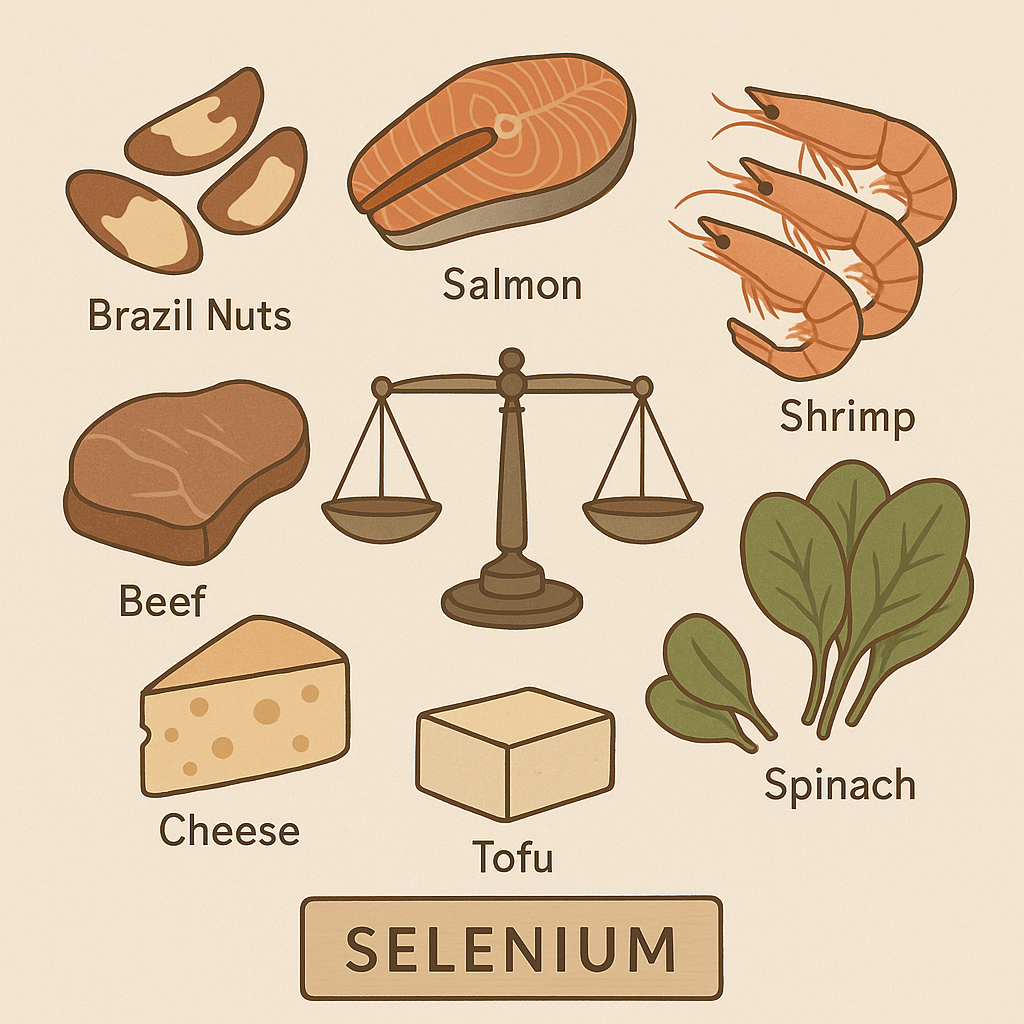
Selenium-Rich Foods to Boost Male Fertility Naturally
| Food Source | Selenium Content (mcg/100g) |
|---|---|
| Brazil Nuts | 1,917 mcg |
| Tuna (Yellowfin) | 92 mcg |
| Eggs | 30 mcg |
| Chicken Breast | 27 mcg |
| Brown Rice | 15 mcg |
| Sunflower Seeds | 79 mcg |
| Shiitake Mushrooms | 25 mcg |
Tip: Just one Brazil nut can supply your entire daily requirement of selenium (55 mcg for adult males). Foods like Brazil nuts and tuna are great natural ways to achieve selenium benefits for male fertility and testosterone levels.
Recommended Daily Intake (RDI) for Selenium
- Men 19+ years: 55 mcg/day
- Tolerable Upper Intake Limit (UL): 400 mcg/day
Caution: Excessive intake (over 400 mcg) may lead to selenium toxicity (selenosis), with symptoms like hair loss, gastrointestinal upset, and fatigue.
Supplementation Tips
If dietary intake is insufficient, selenium supplements can help—but always consult a doctor.
Best-absorbed forms:
- Selenomethionine
- Selenium-enriched yeast
Avoid: Inorganic selenium (sodium selenite), which may have lower bioavailability.
Conclusion
The selenium benefits for male fertility and testosterone levels are real, scientifically backed, and highly impactful. From improving sperm motility to supporting hormone production and reducing oxidative stress, selenium is a small nutrient with massive reproductive power. Whether through food or supplements, ensuring optimal selenium intake may be one of the most natural ways to boost male fertility.